
In a recent transformation programme I led for a multi‑national applications vendor, we were tasked with deploying board‑approved funding to modernise a long‑standing enterprise financials platform. The product had decades of heritage, a loyal customer base, and a user interface that hadn’t meaningfully evolved in years. So I asked the engineering team a simple question: are users loyal because they love the UI, or because they trust the workflows and transaction layer? The answer was immediate: it’s the platform, the transactions, the reliability.
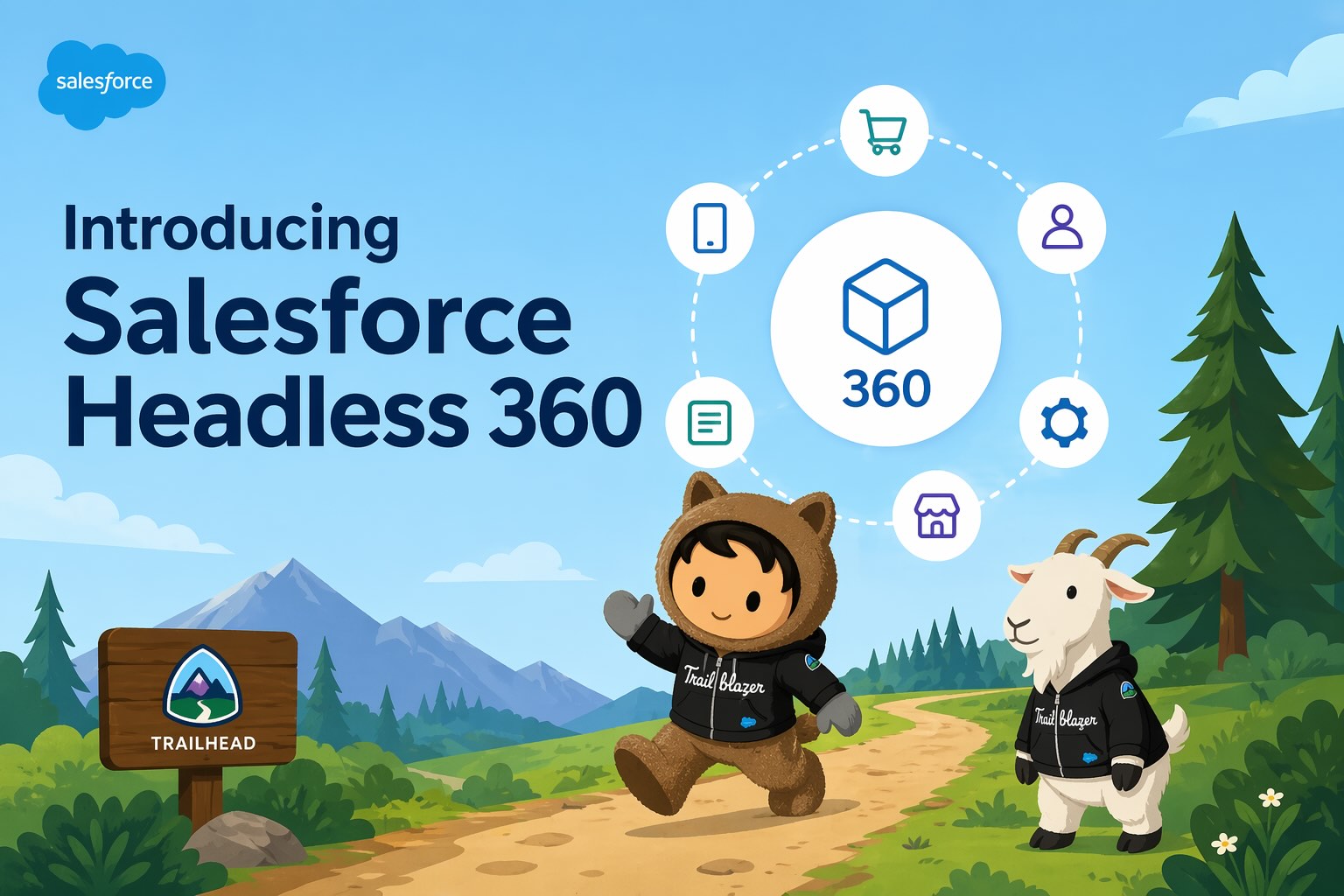
That led to the next question—the one that changed the direction of the programme: what if the next version is headless? What if the system continues performing the trusted transactions customers rely on, but as AI agents? And what if we invest as little as possible in UI? This is the question almost every software vendor is now wrestling with. Salesforce’s recent announcement of Headless 360 is a clear signal that the industry is shifting. In an AI‑native world, it makes far more sense to pour investment into the platform layer—the workflows, the data, the transaction engine—rather than the user experience layer.
Suddenly the commercial engine must evolve from users to tokens, from clicks to outcomes, from interfaces to orchestration layers.
But this shift exposes a deeper challenge. The moment a vendor moves from UI‑driven workflows to agent‑driven execution, the traditional pricing model breaks. Seat‑based pricing assumes a human is doing the work. In an agentic world, the “user” is no longer a person—it’s an AI. Suddenly the commercial engine must evolve from users to tokens, from clicks to outcomes, from interfaces to orchestration layers. This is not a pricing tweak. It is a full commercial transformation.
To make this real, imagine a vendor doing $100M ARR today, built on 200,000 paid seats at $500 ARPU with strong retention and expansion driven by seat growth. Now imagine the vendor introduces an AI‑agentic, headless workflow layer. Seat usage drops because agents take over 40–70% of the work. If the vendor does nothing, ARR erodes. Seat count could fall by half, ARR could drop from $100M to $50M, retention collapses, NRR turns negative, and valuation multiples compress.
But if the vendor transitions to a token and outcome‑based model, the picture changes. Seat revenue might fall to $50M, but token consumption could add $30M and outcome‑based workflows another $20M, restoring ARR to $100M with a healthier, more defensible mix. In a mature agentic model, seats may decline further, but token and outcome revenue scale dramatically. A future state might look like $20M from seats, $60M from tokens, and $40M from outcomes, taking ARR to $120M with higher margins, stronger expansion, and a more compelling valuation profile.
This is the future CROs and CFOs need to design for: a world where revenue is tied to value delivered, not humans clicking buttons. CROs must now rethink how they sell. They need to retrain the field to sell workflows rather than seats, build compensation plans around tokens and outcomes, create expansion paths that don’t rely on headcount growth, and manage channel conflict between UI‑based and agent‑based offerings. This is a full go‑to‑market redesign, not a pricing update.
CFOs must rethink the economics. They need to understand how to forecast ARR when usage becomes variable, maintain predictability while shifting to consumption, redesign revenue recognition for tokens and outcomes, protect valuation multiples during the transition, and communicate the new model to boards and investors. This is a multi‑year financial transformation, not a spreadsheet exercise.
Across the companies we’re supporting right now, the pattern is consistent: technology strategy is shifting toward agentic platforms, product strategy is shifting toward headless workflows, and commercial strategy must shift to match. Pricing, packaging, workflows, and value measurement all need to be redesigned. It’s harder done than said, but it’s riskier not done at all.
Capsicum is working with software vendors, PE‑backed platforms, and enterprise product teams to build token and outcome‑based pricing models, redesign commercial engines for agentic workflows, architect agent‑native product strategies, model ARR transitions to protect valuation, equip CROs and CFOs with playbooks for the shift, and align product, engineering, finance, and sales around a single transformation narrative. This is the work we do every day—helping companies move with confidence rather than fear.
If you’re navigating this shift, or about to, I’m happy to share what we’re seeing across the market and how we can help you design the next version of your commercial engine.